Craft Heritage
Basket-Making: A Living Craft Tradition
Meet the artisans in our community who practice this ancient craft, and learn about the plant materials and techniques that make each basket special
An Art Form That Connects Us to History
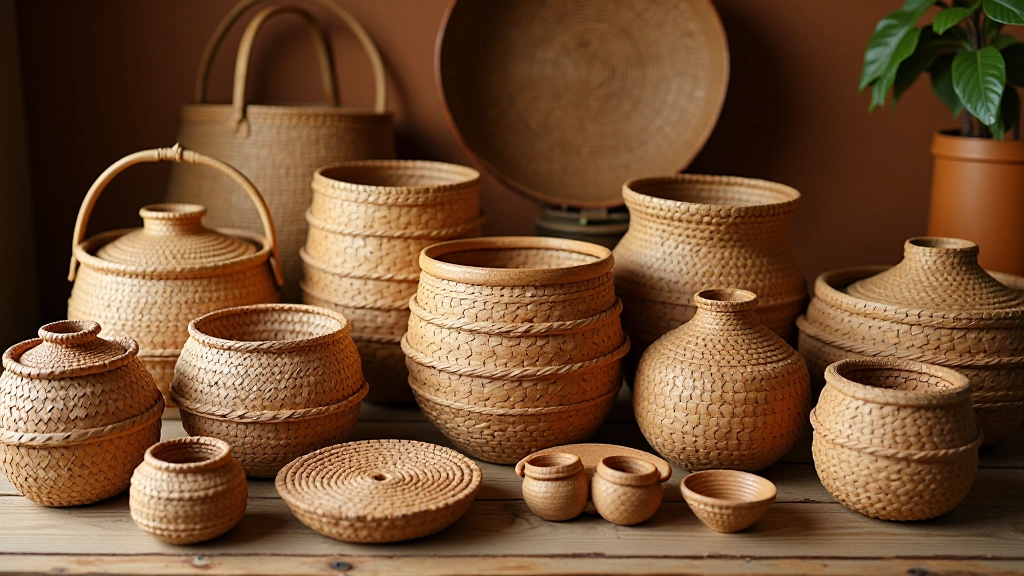
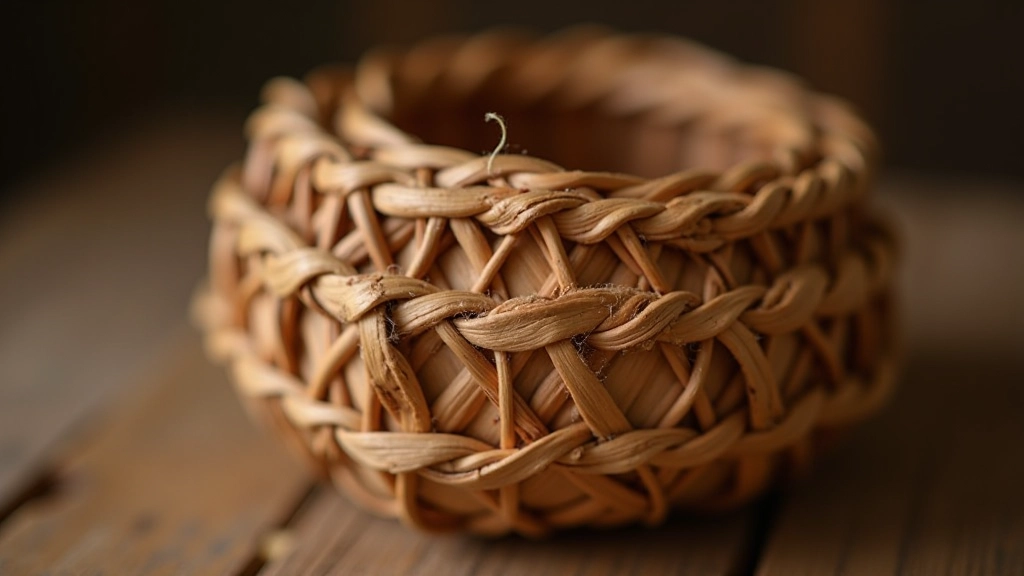
Basket-making isn't just about weaving plant materials together. It's a living connection to centuries of cultural tradition. Right here in our community, skilled artisans continue techniques passed down through generations — techniques that were old when their great-grandparents learned them.
What makes this craft special is that it's still evolving. Contemporary basket makers blend traditional methods with modern sensibilities, creating pieces that honor the past while speaking to today. You'll find these artists at local craft fairs, in museum collections, and teaching the next generation in workshops across our region.
The baskets themselves tell stories. Each coil, each color choice, each texture reveals something about the maker's skill and vision. It's practical art — these baskets actually hold things, actually get used — which is exactly what makes them powerful.
The Materials That Matter
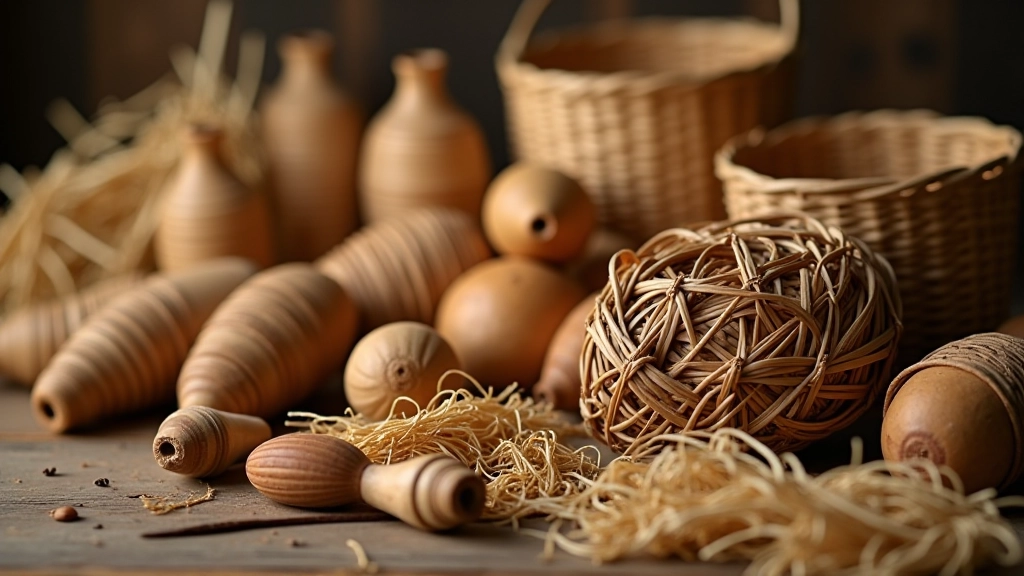
You can't make a good basket without understanding your materials. Local basket makers source from both traditional and sustainable suppliers — and they're particular about quality. The difference between a basket that'll last 30 years and one that falls apart is often about the fiber selection.
Reed & Cane
Split reed is the foundation for many basket styles. It's flexible, durable, and takes dye beautifully. Most local makers work with both processed reed and natural cane harvested from regional wetlands.
Raffia & Palm
These softer materials create the decorative elements. Raffia especially is prized for color variation — you can get it in natural tones or dyed in vibrant hues that won't fade with sunlight exposure.
Willow & Ash
For traditional styles, nothing beats locally harvested willow and ash. These woods have been used for basket-making in our region for over 200 years. They're strong, responsive, and develop a beautiful patina with age.
Techniques That Take Years to Master
There's no shortcut to becoming a skilled basket maker. Most artisans in our community have been practicing for 10, 15, even 40+ years. The techniques look deceptively simple when you watch someone who's mastered them.
01
Preparing the Base
The foundation determines everything. Spokes are arranged in precise patterns, tensioned correctly, and secured to create the structural skeleton. Get this wrong and the whole basket fails.
02
The Weaving Process
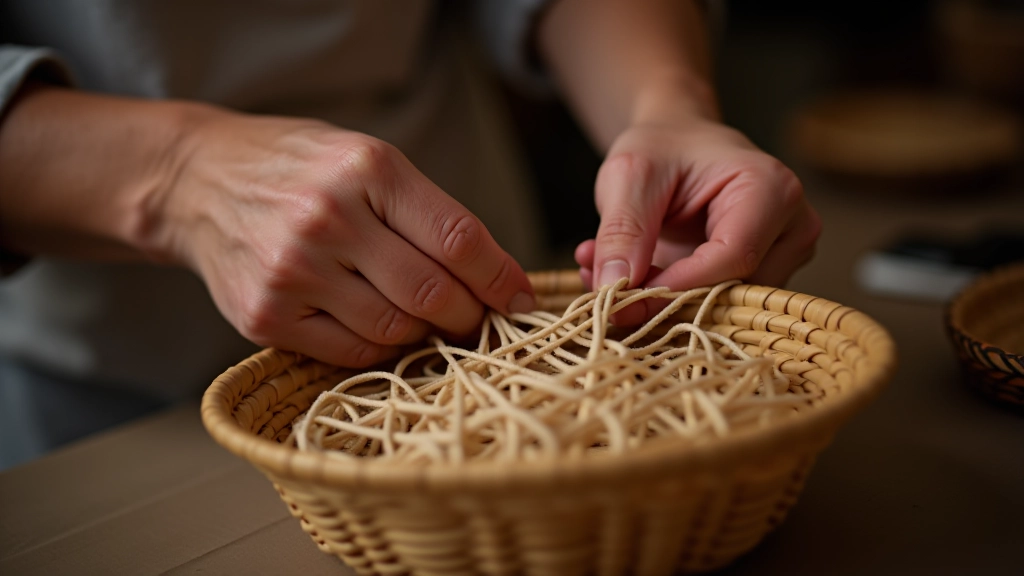
Weft materials are woven over and under the spokes in rhythmic patterns. This requires consistent tension and rhythm — experienced makers develop almost a meditative state during this phase. A single large basket can take 20-30 hours.
03
Shaping & Finishing
As the basket rises, the maker gently shapes it using body position, hand pressure, and sometimes wooden molds. The rim is finished with binding, handles are attached, and any imperfections are corrected.
Meet Our Community's Basket Makers
These are the hands and minds keeping this tradition alive
Elena Rodriguez
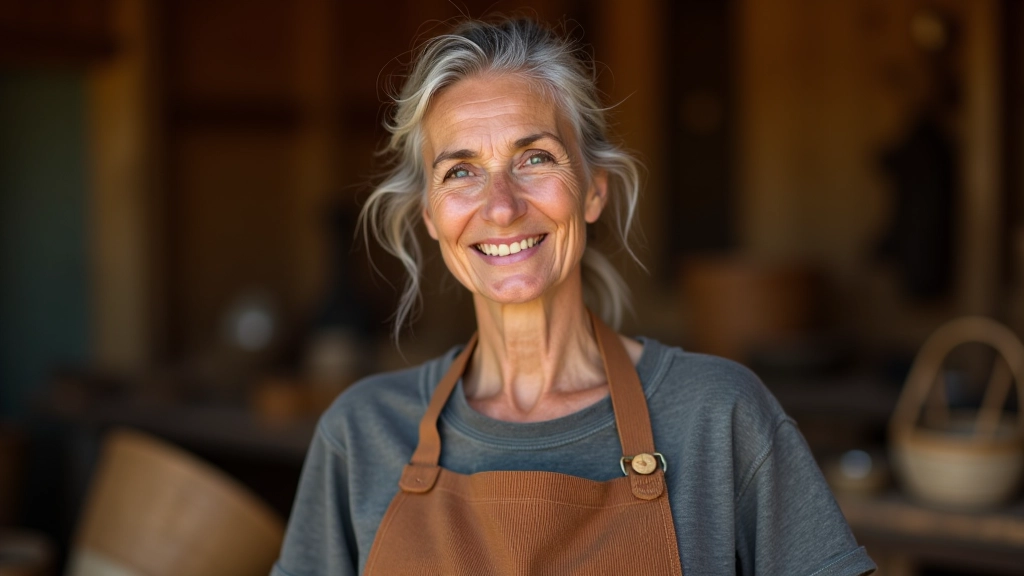
Elena's been making baskets for 38 years. She learned from her mother and grandmother, both master weavers. Her specialty is coiled basketry using natural dyed materials. You'll find her work at the annual craft fair and the museum's permanent collection.

Marcus Chen
Marcus started basket-making seven years ago after a woodworking career. He's blending traditional forms with contemporary materials and color palettes. His experimental work has caught attention beyond our region. He teaches monthly workshops at the community center.
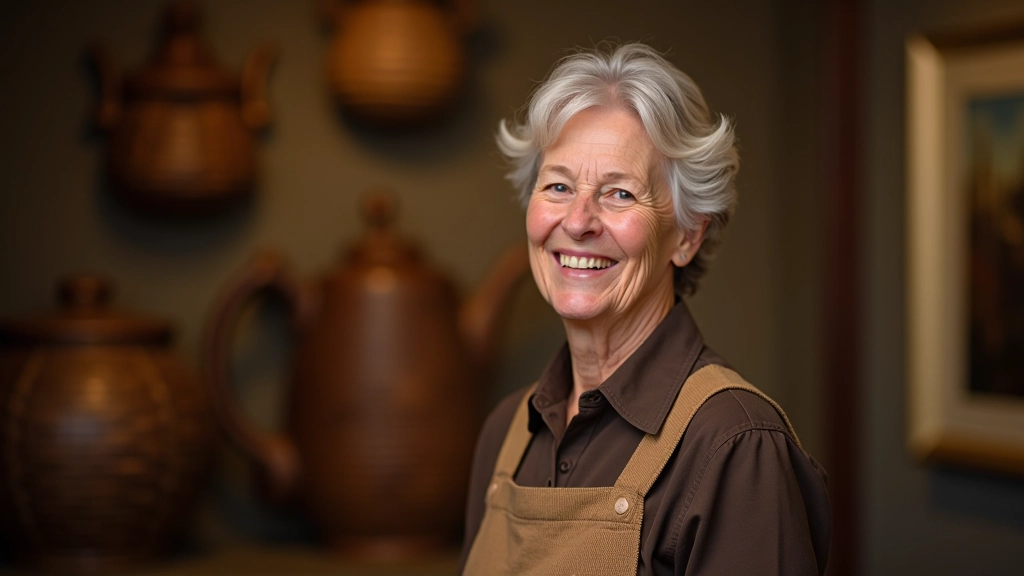
Sarah Mitchell
Sarah's known for preserving endangered techniques from Appalachian traditions. She's worked with the museum for 12 years as both an artist and educator. Her research into historical basket patterns has been published in craft journals nationally.
See Basket-Making in Action
Watching a skilled basket maker work is hypnotic. There's a rhythm to it — the repetitive weaving motions, the way the basket gradually takes shape, the focus in the maker's eyes. You can't really understand the craft until you've seen it happen.
Annual Heritage Craft Fair
Every September, local basket makers set up demonstrations across the fairgrounds. You'll watch artisans at work, ask questions directly, and buy finished pieces. The fair draws over 3,000 visitors interested in learning about regional crafts.
Docent-Led Museum Tours
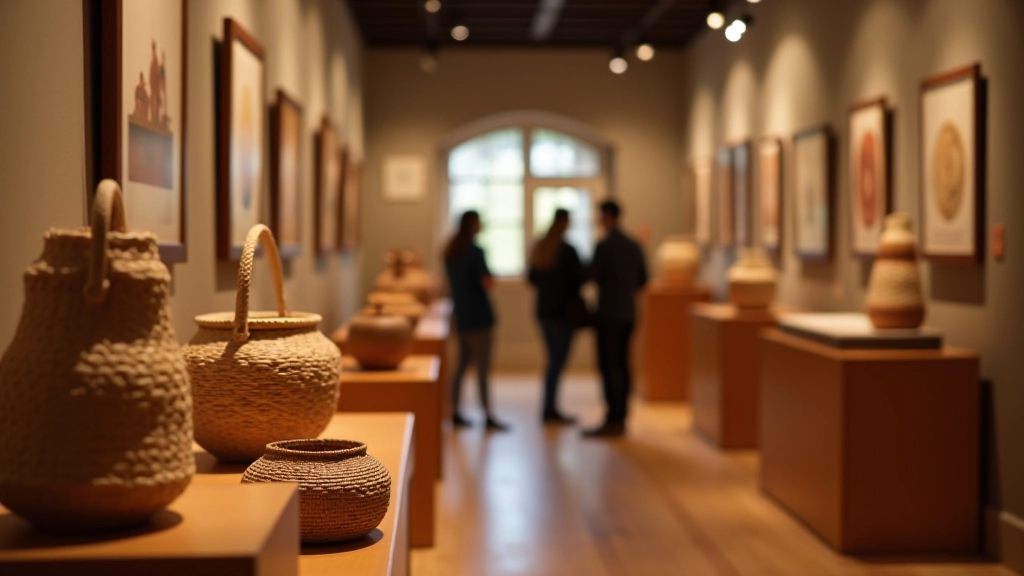
Our museum's basket collection spans three centuries. Docent-led tours focus on techniques, materials, and the cultural stories behind each piece. Tours run Wednesdays and Saturdays, 2 hours, led by working artisans who can explain the details.
Community Workshops
Want to try it yourself? Beginner workshops run monthly at the community center. You'll work with a teaching artist for 4 hours and create your own small basket. No experience necessary — everyone starts as a beginner.
A Craft Worth Preserving
Basket-making thrives when people care about the work, learn the skills, and value the finished pieces. Every time someone buys a handwoven basket instead of a mass-produced one, they're voting for this tradition to continue. Every time someone attends a craft fair or takes a workshop, they're saying this matters.
The artisans in our community aren't making baskets because it's easy or profitable. They're doing it because they love the work, because their families have always made baskets, because there's something deeply satisfying about creating something beautiful that'll be used and treasured for decades. That's worth supporting.
About This Article
This article is educational and informational in nature. The information about basket-making techniques, materials, and local artisans is based on our museum's collection and community partnerships. Details about individual artisans and their work represent their current practice as of March 2026. Specific techniques and timelines vary based on basket style and individual maker experience. For hands-on learning or commission inquiries, we recommend contacting our museum directly or attending community workshops and the annual craft fair.
Explore More Folk Art Traditions