Planning Your Heritage Tour Experience
Learn what to expect during our docent-led tours, how they're organized by theme, and tips for getting the most from your museum visit
What Our Tours Offer
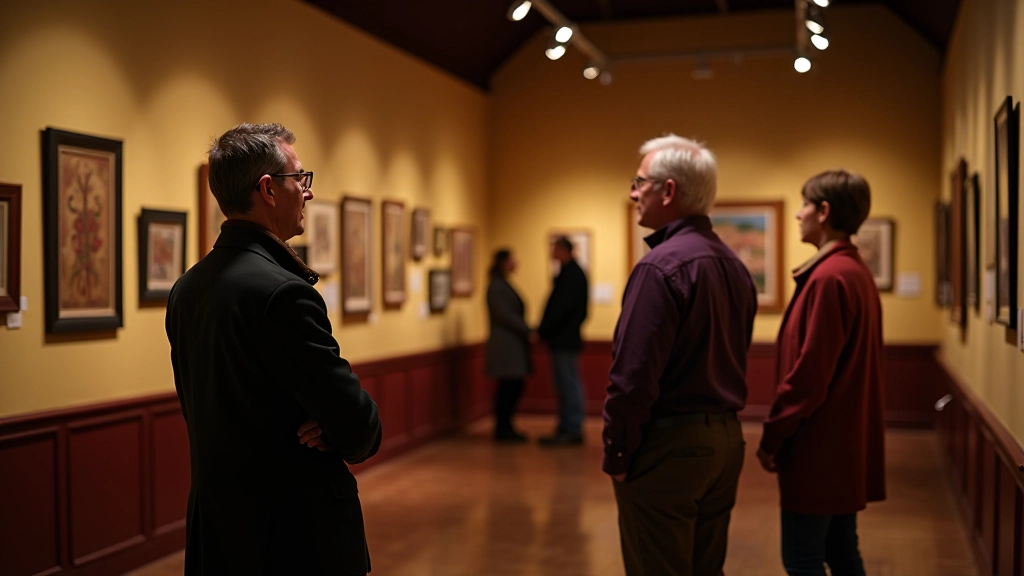
Walking through our museum isn't just about looking at objects behind glass. We're talking about real stories—the hands that carved that wooden figure, the looms that created those textiles, the traditions passed down through generations in communities right here in our region. Our docent-led tours bring all of that to life. You're not getting a quick five-minute overview; you're getting insight from people who genuinely understand this work.
Whether you're visiting for the first time or you've been here before, tours are organized so you can choose what interests you most. We've got textile-focused journeys, deep dives into woodcarving traditions, and explorations of basket-making techniques that span centuries. Each guide brings their own perspective, but they all share the same commitment to helping you understand why this heritage matters.
Three Main Tour Themes
Choose the heritage focus that speaks to you
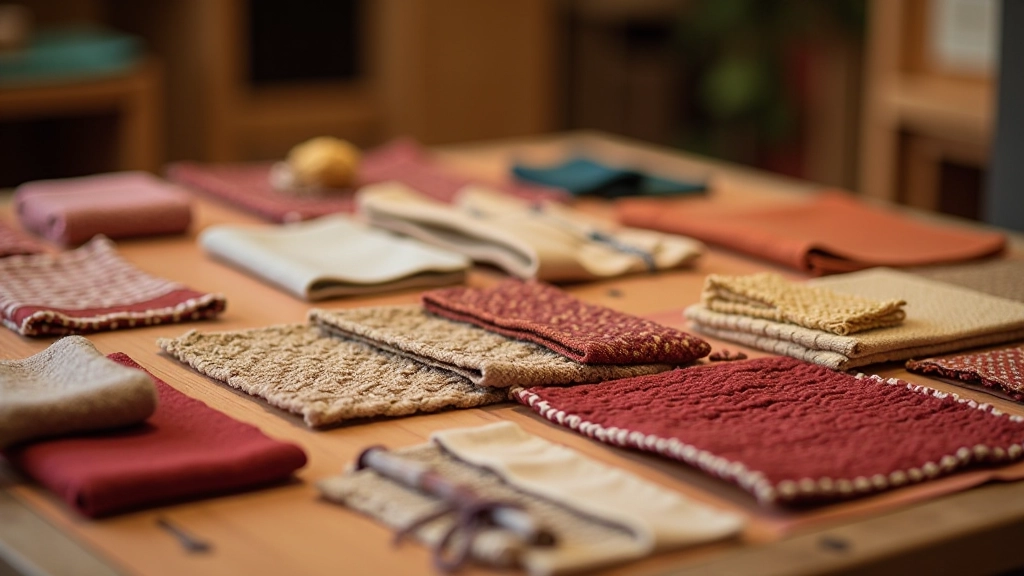
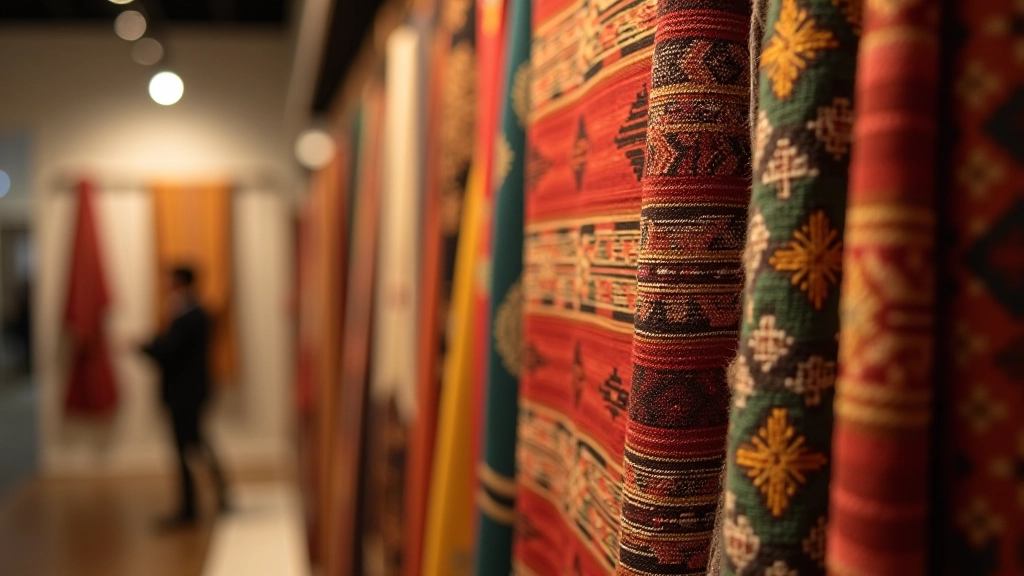
Textile Weaving Traditions
Discover how regional communities maintain weaving practices that go back generations. You'll learn about different loom types, dye techniques, and the cultural significance of specific patterns. Tours usually run about 90 minutes and include hands-on demonstrations when available.
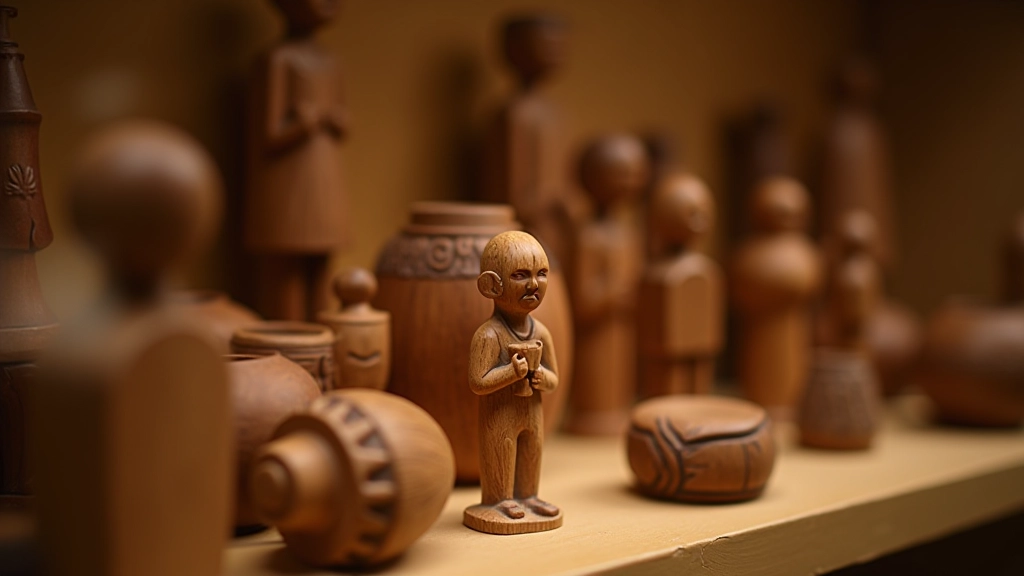
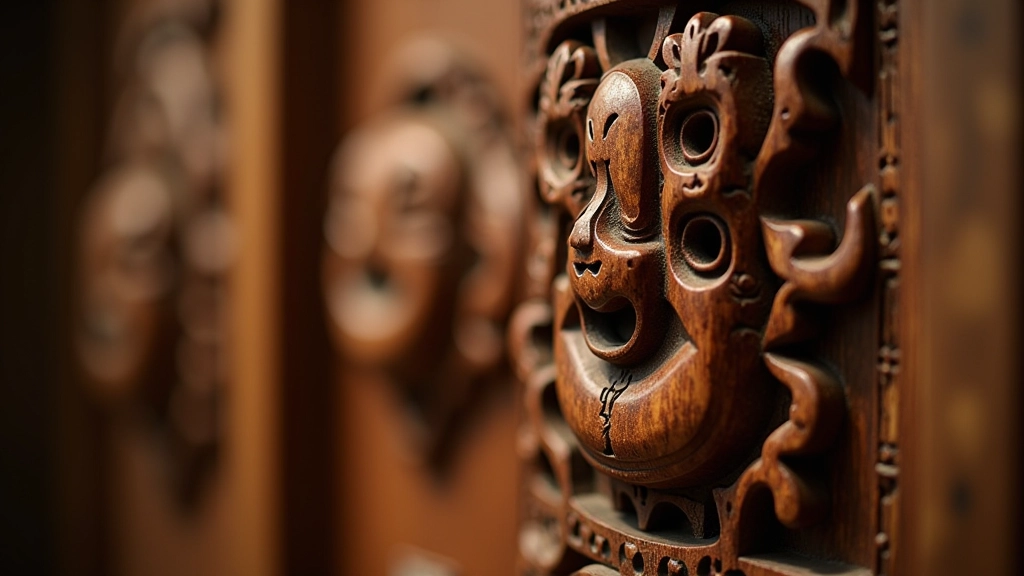
Woodcarving & Sculptural Arts
Explore the tools, techniques, and storytelling embedded in carved wooden pieces. Our collection spans different regional styles and periods. You'll understand why certain woods are chosen, how artisans develop their personal styles, and what messages these pieces convey within their communities.
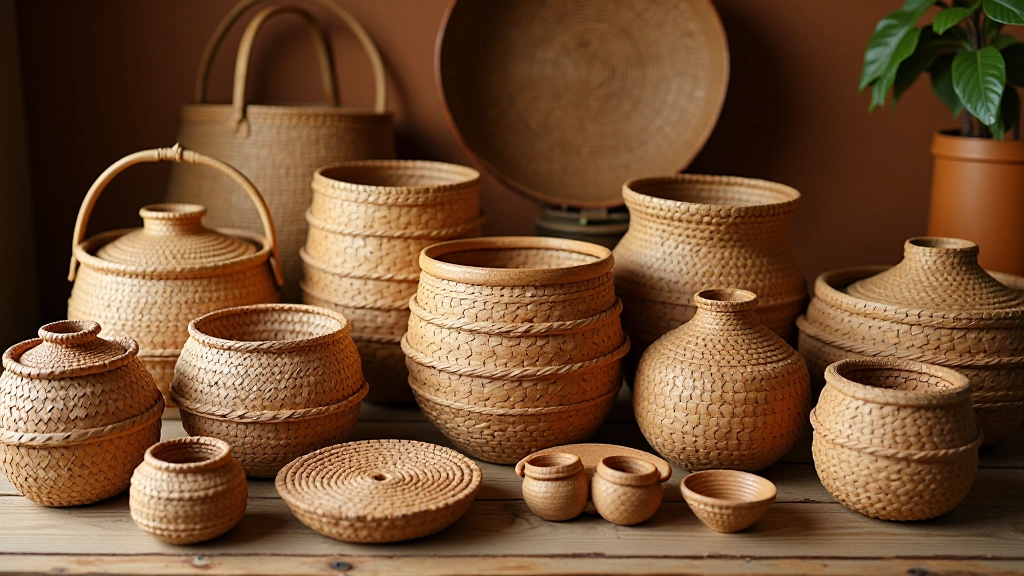
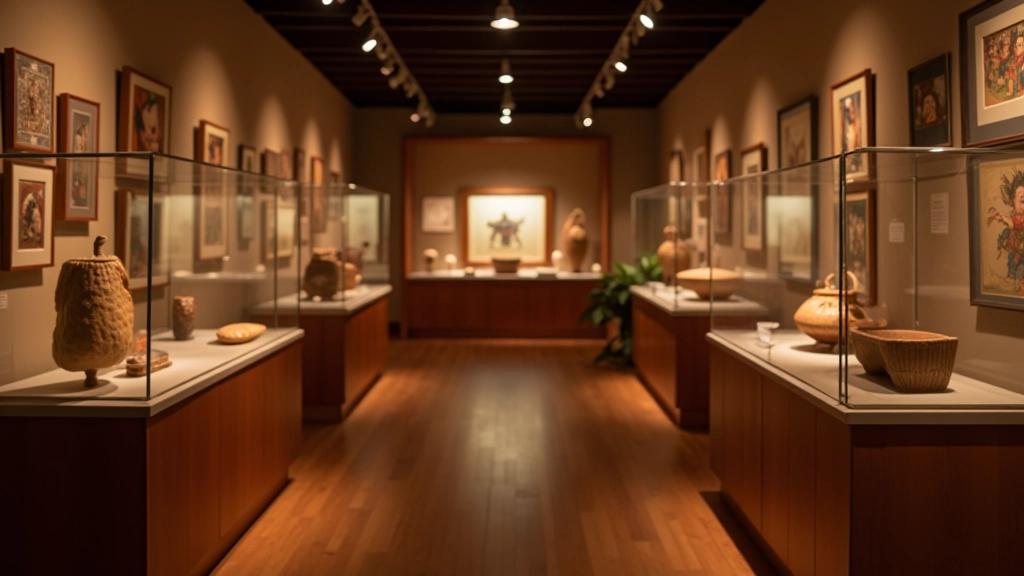
Basket-Making Heritage
Meet the living tradition of basket-weaving. This tour introduces you to the materials, methods, and artisans keeping this craft alive. You'll see how different weaving patterns serve different purposes—some purely functional, others deeply ceremonial. Interactive elements show you the actual techniques in action.
How to Plan Your Visit
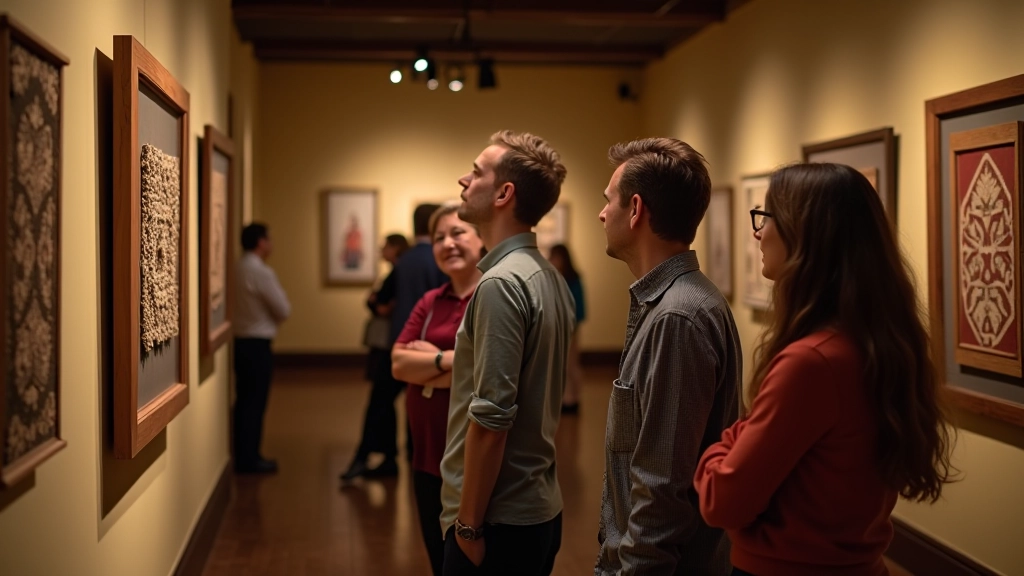
Tours run on a set schedule, and they're limited to 15 people per group. This isn't random—it's intentional. Smaller groups mean you'll actually hear the docent, ask questions without feeling rushed, and get closer looks at the pieces. Tours typically happen Thursday through Sunday, with morning slots starting at 10 AM and afternoon sessions at 2 PM.
You can book online or call us directly. Most people book a week ahead during peak seasons (spring and fall), but walk-ins are welcome if there's space. We don't charge extra for tours—they're included with regular museum admission. If you're bringing a group of 8 or more, we can arrange custom tour times that work better for your schedule. Just give us a couple weeks' notice.
What should you wear? Comfortable shoes. We move through the galleries, and some people want to linger in specific areas. The museum stays at a steady temperature year-round, so you won't be uncomfortable. Bring water if you like—there's a small café area with seating. And phones are fine, but we ask that you don't use flash photography in the collection areas. It's not just about protecting the pieces; it helps everyone else enjoy the experience without distractions.
Getting the Most From Your Tour
Practical advice for a rewarding experience
Before You Arrive
Think about what interests you most. Are you drawn to the technical aspects—how things are made? Or are you more interested in the cultural stories behind them? This matters because you'll want to pick a tour that matches. You don't need to be an expert. In fact, some of our best conversations happen when someone says "I don't know anything about textiles, but I love the colors." That's a perfectly good starting point.
During the Tour
Ask questions. Seriously. Our docents have spent years learning this stuff and they genuinely want to share it. Don't be shy about saying "Can you explain that again?" or "How does that connect to what we saw earlier?" The pace moves along, but there's always time for questions. And if something catches your eye, mention it. Sometimes the best moments happen when someone points out a detail the guide hadn't planned to highlight.
After the Tour
Stick around if you can. Spend another 20 or 30 minutes in the galleries on your own, looking at what resonated with you. You'll notice things the second time that you missed during the group tour. We've got a small library in the main hall with books and resources if you want to go deeper. And our staff is always happy to chat if you have follow-up questions.
What Makes Our Tours Different
We don't do the talking-head museum guide thing. Our docents are trained artists, craft practitioners, and community members who've spent real time learning directly from tradition-keepers in the surrounding region. That's not academic distance—that's genuine connection. When someone explains a weaving pattern, they often learned it from the person who created the piece you're looking at. That changes everything.
Tours also rotate seasonally. Spring might focus on new acquisitions we've brought in from our annual craft fair. Summer sometimes features artisan demonstrations—you'll see someone actually working at a loom or carving wood. Fall tours often tie into the harvest season and how that influences textile dyes and materials. Winter highlights historical techniques that are rarely practiced anymore. You could visit multiple times and have completely different experiences.
And honestly? Come back. We've got people who visit every month because each tour is different depending on who's leading it. Our docents each have their own stories, their own expertise, their own way of connecting with the material. One guide might focus on the mathematical precision of pattern-weaving. Another will tell you about the grandmother who taught her. Both are teaching the same collection, but you'll learn something different every time.
Ready to Explore?
Book your tour online, call ahead, or just drop in. We're open Thursday through Sunday, and tours start at 10 AM and 2 PM. Whether you're interested in textiles, woodcarving, basket-making, or a mix of everything, there's a tour waiting for you.
Get in TouchAbout This Guide
This article is an informational guide to help you plan a museum tour visit. While we've described our tour themes, scheduling, and what to expect, specific tour availability, times, and content may vary. Please contact the museum directly to confirm current tour offerings and book your visit. Tour experiences depend on guide availability, group size, and seasonal programming, which can change. For the most up-to-date information about accessibility accommodations, special group tours, or any questions about your visit, we're happy to help when you reach out.