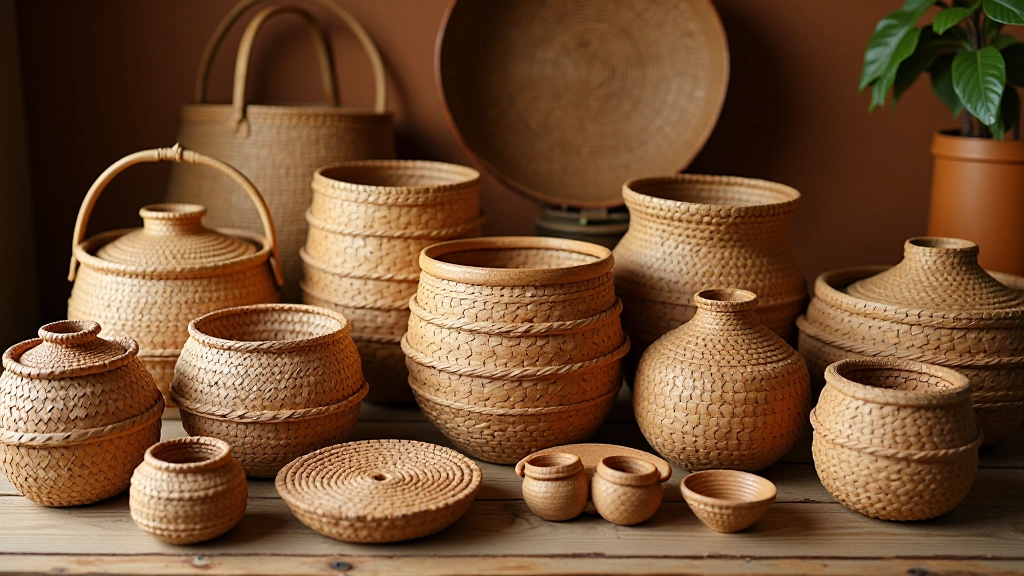

Textile Weaving: From Ancient Methods to Today
Discover how regional communities continue textile weaving traditions passed down through generations, and what makes each region's style unique
Where Tradition Meets Craft
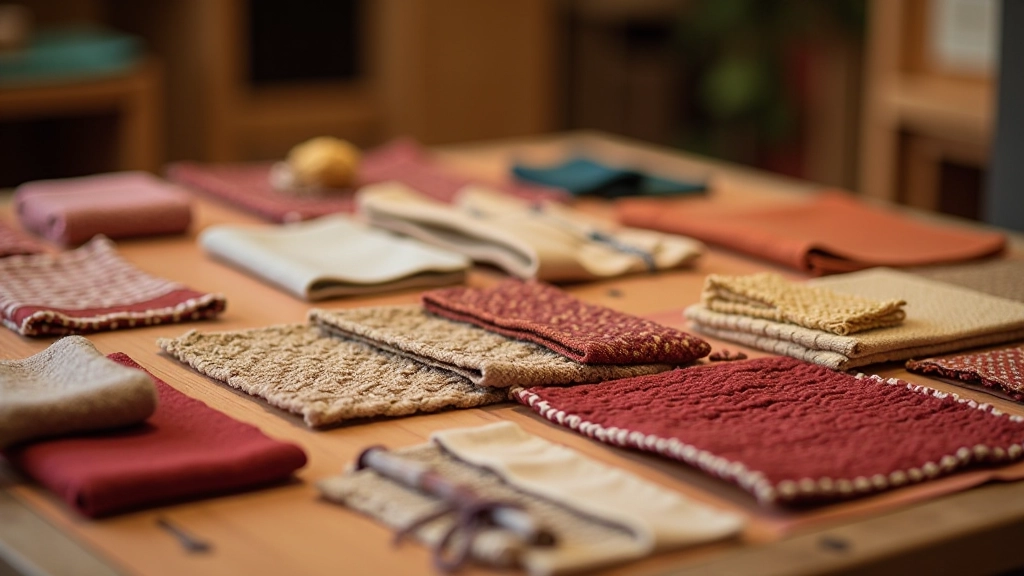
Weaving isn't just a craft — it's a conversation between maker and material. For centuries, communities across this region have developed distinctive weaving styles that reflect local resources, cultural values, and artistic vision. From the tight geometric patterns of mountain traditions to the flowing, organic designs of valley weavers, each community's approach tells a story.
Today's weavers don't just replicate the past. They're expanding on it — experimenting with new fibers, color combinations, and techniques while respecting the foundational knowledge their grandmothers taught them. It's this balance between preservation and innovation that keeps these traditions alive.
Historical Roots
Ancient Weaving Methods Still in Use
The tools and techniques developed centuries ago remain remarkably effective
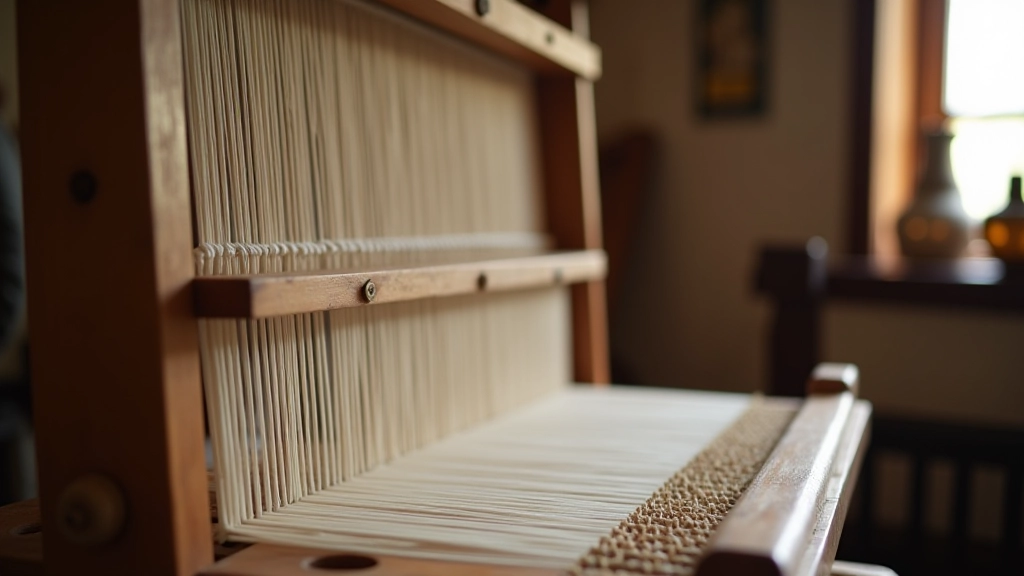
The most traditional looms you'll find in community workshops are variations of designs that haven't fundamentally changed in 400+ years. Vertical looms, horizontal frame looms, and backstrap looms — each serves specific purposes and produces distinct characteristics in the final cloth.
What's remarkable isn't that these looms are "old" — it's that they're still the best tool for the job. A backstrap loom, where one end of the warp is tied to a fixed point and the other to the weaver's body, gives the maker extraordinary control over tension. That precision translates to tighter, more durable textiles. You can't replicate that feel with modern industrial equipment.
The Setup: A traditional loom requires preparation time — sometimes 8-12 hours just to set up the warp threads depending on pattern complexity. Weavers don't rush this stage. The precision of the setup directly affects every row that follows.
Craft Knowledge
Core Techniques That Define Regional Identity
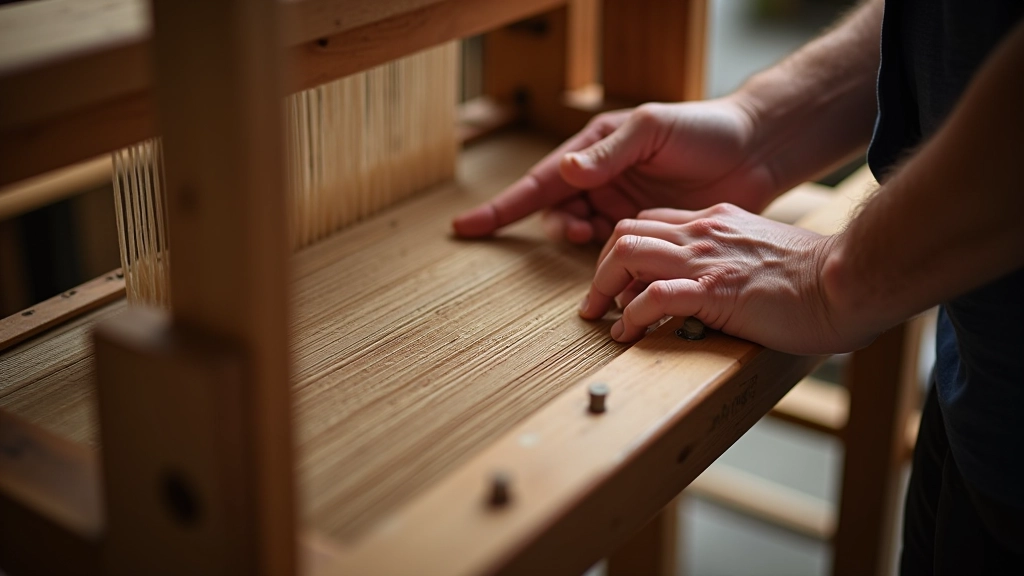
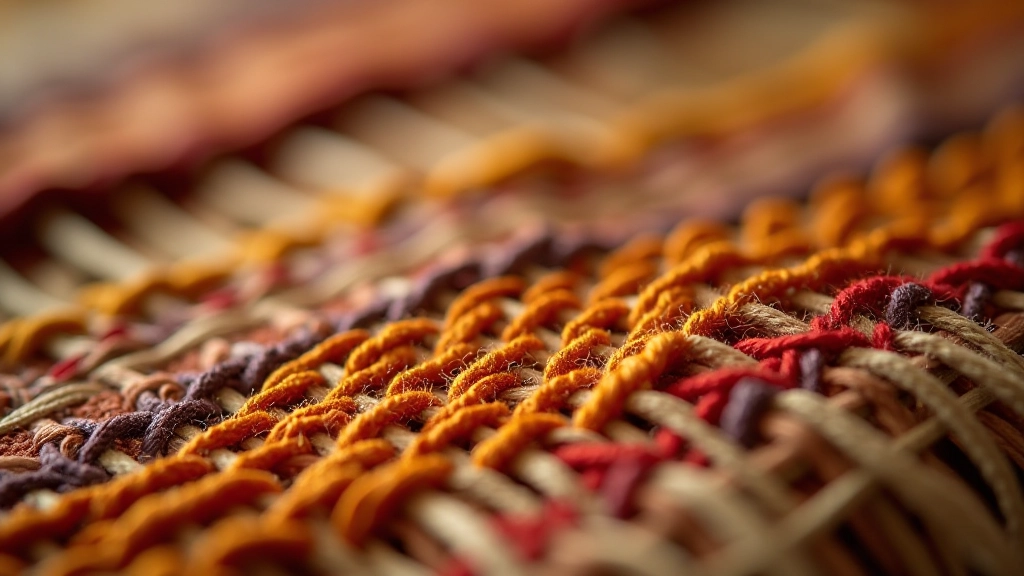
The three fundamental weaving patterns found across regional traditions are plain weave, twill, and satin weave. But the real distinction comes in how communities adapt these basics.
Plain Weave
The most fundamental pattern — alternating threads over and under. It's strong, versatile, and requires the least technical setup. Mountain communities traditionally favor this for everyday textiles.
Twill Weave
Creates diagonal lines by offsetting the pattern across rows. Valley weavers particularly embrace twill for its visual interest and durability — twill fabrics actually get softer with washing.
Complex Patterns
Some communities developed sophisticated pattern work combining multiple weave types. What looks simple from a distance — like geometric shapes or pictorial designs — often involves intricate thread manipulation throughout.
Color choices matter just as much as structure. Historically, weavers used natural dyes from local plants — indigo for blues, madder root for reds, walnut husks for browns. The color palette available in your region directly shaped the aesthetic tradition.
Contemporary Practice
Today's Weavers: Innovation Within Tradition
"I learned on my grandmother's loom, using the exact same techniques she taught me. But I'm not making the same things she made. I'm exploring new fiber combinations, working with contemporary colors, even integrating some hand-spun materials with commercially produced threads. It's respectful to the tradition while making it relevant."
— Maria Santos, third-generation weaver
Contemporary weavers face an interesting challenge: how do you keep traditions alive when the economic reality of handmade textiles is completely different from a century ago? Most working weavers today aren't producing utilitarian cloth for their communities. They're creating art pieces, home goods, and specialty textiles for markets that value craftsmanship.
This shift has actually expanded what's possible. Instead of being limited to local dyes and fibers, weavers can source materials globally. Some're experimenting with synthetic fibers alongside natural ones. Others're reviving nearly-extinct pattern styles that had disappeared for decades. The constraint of tradition has become a creative foundation rather than a limitation.
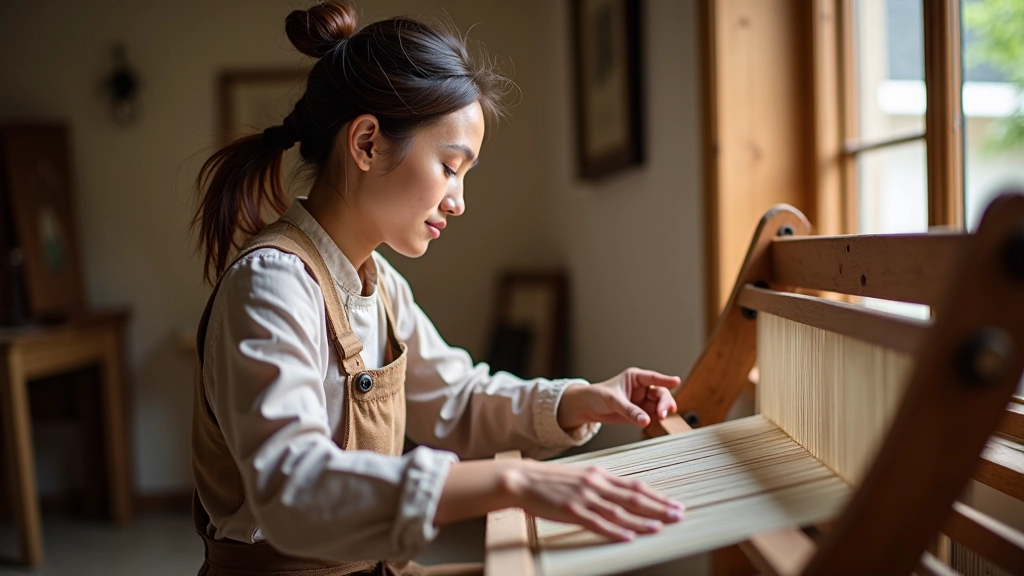
Teaching is crucial too. Many communities have documented their weaving traditions through workshops, apprenticeships, and community classes. Younger weavers aren't just learning "how to weave" — they're learning the cultural context, the stories behind specific patterns, and why certain communities developed their distinctive approaches.
Our Role
Why Museum Collections Matter
Preserving examples of regional textile traditions ensures knowledge survives for future generations
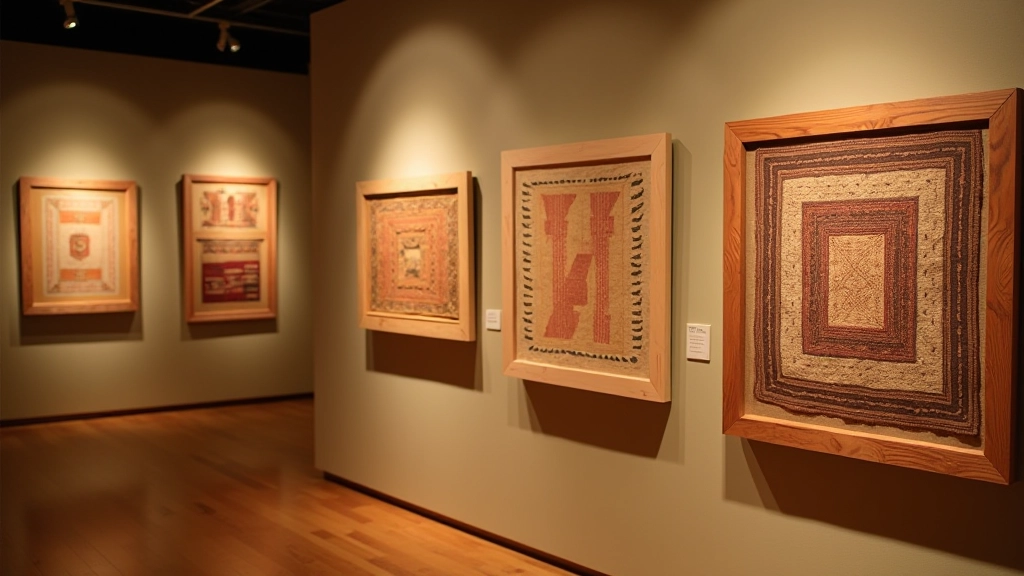
Our textile collection contains over 200 examples spanning the last 150 years. Each piece documents specific techniques, color choices, and pattern styles from particular communities and time periods. When you look at a textile from 1920 and compare it to one made last year, you're seeing both continuity and evolution in real time.
Preservation work involves climate control, careful storage, and documentation. We photograph pieces, record weaving techniques, note fiber types, and document the stories behind significant textiles. That archival work makes it possible for researchers, weavers, and students to understand how traditions developed and changed.
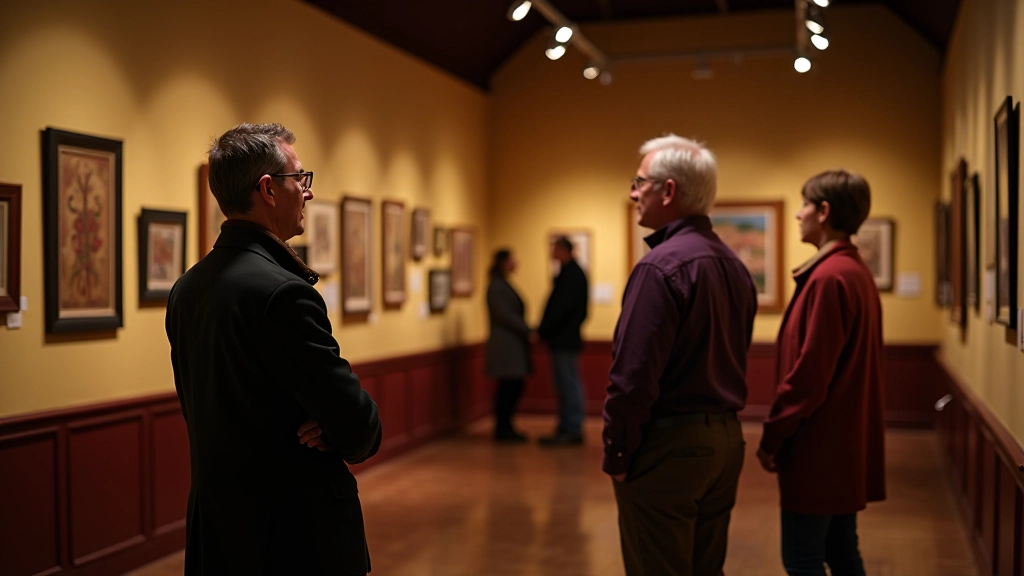
But our collection isn't just behind glass. We host rotating exhibitions, offer docent-led tours that explain specific techniques, and conduct community workshops where visitors can try basic weaving. The goal isn't to create museum experts — it's to build appreciation for the skill involved and inspire people to support contemporary weavers in their communities.
Interested in learning more? Our heritage tours include hands-on demonstrations of traditional weaving techniques and conversations with visiting artisans.
Explore Our ToursThreads That Connect Us
Textile weaving traditions exist at the intersection of practicality and artistry. They developed because communities needed cloth, but they survived and evolved because the work itself — the rhythm of the loom, the challenge of complex patterns, the satisfaction of creating something lasting — matters to people. That's why these traditions endure.
Whether you're interested in the historical techniques, the contemporary work of regional weavers, or the stories embedded in specific textiles, there's depth here worth exploring. Our collections, exhibitions, and community partnerships exist specifically to make those connections possible.
What's Next?
- Visit our textile collection during regular museum hours
- Join a docent-led heritage tour to learn techniques firsthand
- Attend our annual craft fair in September featuring local weavers
- Take a community weaving workshop (beginner-friendly)
About This Article
This article provides educational information about textile weaving traditions, historical methods, and contemporary practice. It's intended to increase understanding and appreciation for regional craft heritage. The techniques and traditions described reflect current practices among weavers in our community and documented historical records. Specific details about patterns, materials, and methods may vary by region and individual practitioner. For hands-on learning about weaving techniques, we recommend attending our community workshops or scheduling a guided museum tour.
Related Articles